
Introduction to the Dossier: Territory, commerce and mobility in Wallmapu
DOI:
https://doi.org/10.63207/tefros.v24n2.a5Keywords:
Araucanía , Pampas , Indigenous folks , Wallmapu, FrontierAbstract
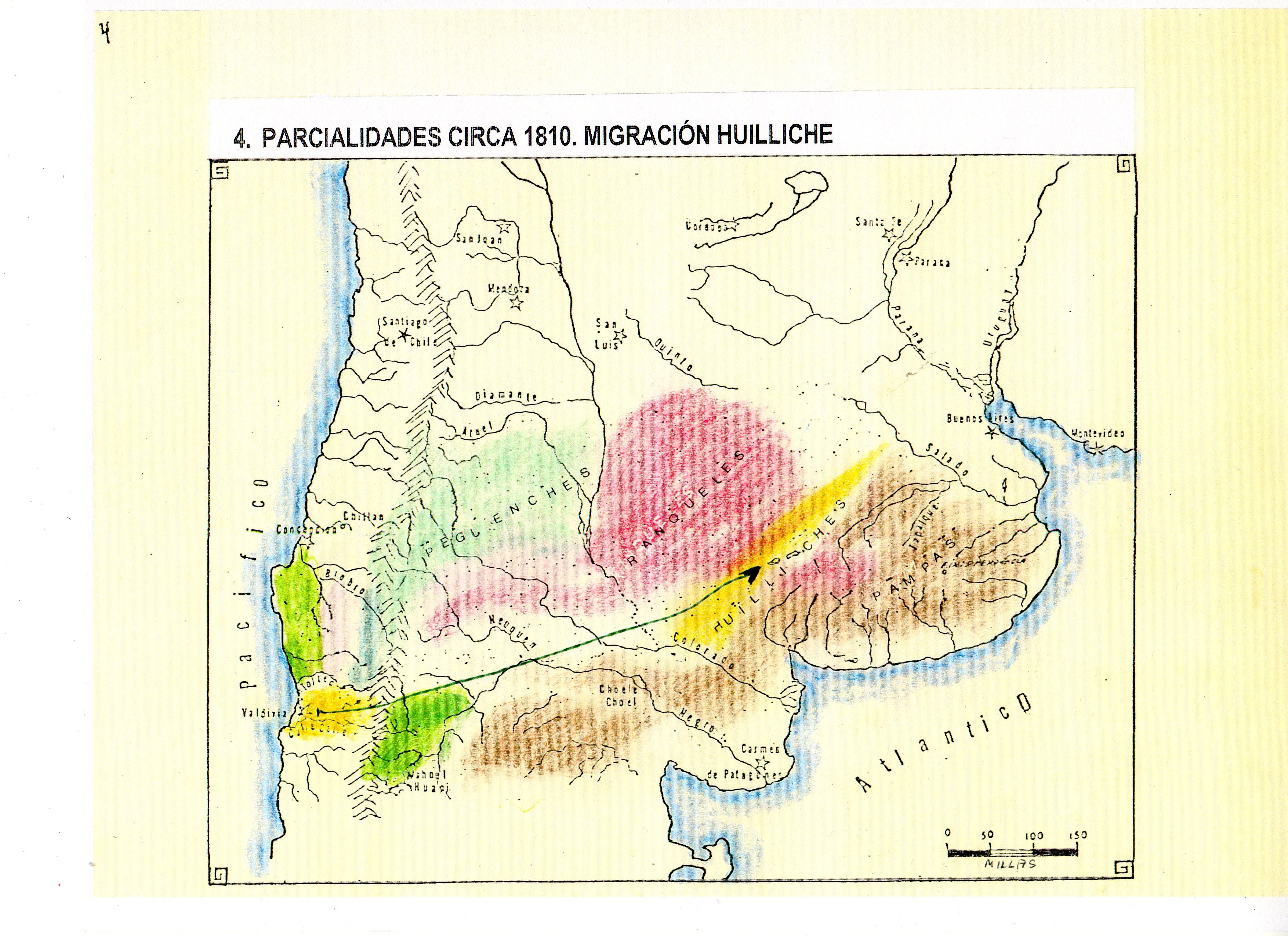
Organised by Grupo de Estudios Frontera Sur (Group of South Frontier Studies), with seat in Facultad de Filosofía y Letras - UBA (School of Philosophy and Letters at UBA), the “Workshop of research in territories, commerce and mobility in Wallmapu” took place in Buenos Aires city in September, 2023. This workshop had the objective of encouraging the exchange and discussion among Argentina and Chile 's researchers specialised in the study of the Arauco-Pampean area. In Revista TEFROS, we present the first of the two parts where we gather the lectures in discussion during the workshop. Sebastián Alioto and Juan Francisco Jiménez aim at reconstructing the livestock exploitation and commerce from a comparative perspective that considers both sides of the frontier. Jaime Flores and Melisa Pesoa explore the foundation of cities, from the second half of the nineteenth century, as a device for the State consolidation in Argentina and Chile. Mario Fabregat analyses Friar Jerónimo de Amberga’s path as the missionary who stayed in Araucanía during the first decades of the twentieth century. Victoria Corte and Juan Francisco Jiménez ask themselves about the female body as fundamental in the construction of the political community, within the framework of the Llailmache ethnogenesis.
Downloads
References
-
Downloads
Published
Issue
Section
License
Copyright (c) 2026 María Eugenia Alemano, Sebastián Leandro Alioto, Guido Cordero, Cristián Perucci González

This work is licensed under a Creative Commons Attribution-NonCommercial-ShareAlike 4.0 International License.
Avisos de derechos de autor propuestos por Creative Commons
1. Política propuesta para revistas que ofrecen acceso abierto
Aquellos autores/as que tengan publicaciones con esta revista Tefros, aceptan los términos siguientes:- Los autores/as conservarán sus derechos de autor y garantizarán a la revista el derecho de primera publicación de su obra, el cuál estará simultáneamente sujeto a la licencia de Creative Commons Reconocimiento-NoComercial-Compartir Igual 4.0 Internacional. https://creativecommons.org/licenses/by-nc-sa/4.0/ que permite a terceros compartir la obra siempre que se indique su autor y su primera publicación esta revista.
- Los autores/as podrán adoptar otros acuerdos de licencia no exclusiva de distribución de la versión de la obra publicada (p. ej.: depositarla en un archivo telemático institucional o publicarla en un volumen monográfico) siempre que se indique la publicación inicial en esta revista.
- Se permite y recomienda a los autores/as difundir su obra a través de Internet (p. ej.: en archivos telemáticos institucionales o en su página web) antes y durante el proceso de envío, lo cual puede producir intercambios interesantes y aumentar las citas de la obra publicada. (VéaseEl efecto del acceso abierto).




















 Licencia de Creative Commons Reconocimiento-No Comercial-Compartir Igual 4.0 Internacional https://creativecommons.org/licenses/by-nc-sa/4.0/
 https://www.facebook.com/Tefros-Taller-Etnohistoria-1699805436905887/notifications/